
When a search and rescue situation arises, the sheriff’s office initiates a callout dispatch to mobilize the SAR team. The process begins with receiving a report of a missing or endangered person, followed by the sheriff’s office quickly assessing the urgency and location. Dispatchers then contact SAR using the county’s text paging system, providing them with critical details such as last known whereabouts, terrain type, and any immediate hazards.
Responding teams are given instructions on where to assemble and what equipment may be required for the operation. Communication remains ongoing between the sheriff’s office and field units to coordinate efforts and relay updates. This organized approach ensures a swift and efficient response, maximizing the chances of a successful rescue.
Generally, with a rare exception, there are three types of page outs: Standard Callout, Stand-by Callout, and the Activation Callout.
Standard Callout
This is the most common callout. Most of the time you will be instructed to go to the squad house to prepare for the mission and form initial teams. Follow the callout checklist below.
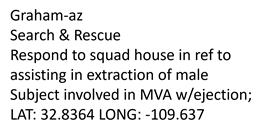
Stand-by Callout
This is a warning of a potential callout. The investigation has reached the point where a SAR response is likely needed but some additional information is being sought. There is a possibility the mission may be cancelled.
Get prepared to respond and wait for further instructions. Follow the callout checklist below without acutely responding. You are not required to go to the squad house. If available, you are welcome to go to the squad house and do the initial preparation and wait there for additional instructions with the possibility of the mission being cancelled.

Activation Callout
This callout requires immediate response to the location on the page. These missions are usually rescues or searches for vulnerable persons. As with all callouts, follow the callout checklist below.
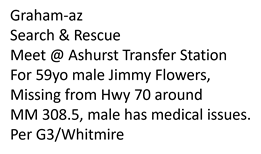
Follow the instructions on the page. If not sure, report to the squad house.
DO NOT text back on the dispatch page.
Callout Checklist
Responding swiftly and efficiently to a SAR callout is a matter of life and death. The actions taken in the first moments after notification can set the tone for the entire mission. This comprehensive checklist is designed to help SAR members to organize their response, maintain safety, and ensure no crucial detail is overlooked.
Pre-Callout Preparation
Before any mission is underway, continual readiness is essential. SAR personnel must be able to mobilize at a moment’s notice, so preparation forms the cornerstone of operational success. Throwing together your pack at the time of the callout is not being prepared! Always have your equipment ready and available.
- Personal Gear Readiness: Ensure your SAR pack is stocked and checked regularly. Include weather-appropriate clothing, food, water, navigation aids, first aid kit, and personal protective equipment (PPE).
- Communication Devices: Charge personal radios, phones, and GPS devices. Keep extra batteries on hand.
- Vehicle Preparation: Ensure your vehicle has a full tank of fuel, emergency supplies, and is well maintained.
- Knowledge Upkeep: Participate in regular training and stay updated on the latest SAR protocols, local terrain, and hazards.
Before leaving residence or work
- Dress appropriately for temperatures and terrain.
- Load your equipment and gear.
- Check if you have sufficient food and water.
- Inform family and employers of the pending SAR operation.
- SARTopo (see SAR Topo section for details). First load Next Mission map next Share your location.
- Text Leadership (Tommy and Pete or other if listed in dispatch message or reply in the group text message stream) your statues. Simply state available, unavailable, thumbs up, or thumbs down.
On the way to mission
- Fuel your vehicle
- Note the mileage
- Obey speed limits and traffic laws
On arrival at the squad house
- First sign in. Start a Sign-in Sheet if necessary (details can be added later, at the minimum add the date).
- Get a radio box for each team.
- Pull the squad truck around front.
- Fill ice chests and load into mission capable vehicles.
- Post all known information about the mission on the whiteboard.
- Await further instructions from leadership.