Introduction
Wilderness search and rescue (SAR) is a demanding discipline that tests the limits of human endurance, ingenuity, and teamwork. When individuals venture into remote landscapes (mountains, forests, deserts, or tundra) and become lost, injured, or endangered, SAR teams are dispatched as the last line of defense between peril and survival. The effectiveness of these missions is rooted in rigorous training, which prepares rescuers to confront unpredictable environments and multifaceted emergencies. This manual explores the pivotal role of training in wilderness SAR, examining how it empowers personnel, mitigates risks, and ultimately saves lives.
Unlike urban rescue operations, wilderness SAR missions unfold in environments marked by isolation, challenging terrain, unpredictable weather, and limited communication. Rescuers may encounter deserts, forests, steep cliffs, swift rivers, or snowfields, all while racing against time and battling fatigue. The lack of infrastructure and immediate support means that SAR teams must be self-sufficient, adaptable, and prepared for anything.
Effective wilderness SAR is not simply a matter of physical fitness or bravery; it demands a deep, well-rounded understanding of survival skills, navigation, medical response, and teamwork. Training transforms ordinary individuals into skilled rescuers capable of operating with precision under stress. It fosters technical competence, sharpens decision-making, and ensures that teams work seamlessly toward their objectives.
This website is a work in progress.
If you have any questions, concerns, comments, or criticisms about the content of this training information please contact the Graham County Search and Rescue’s Training Coordinator:
Robin.hunts.rocks@gmail.com
Balancing Intuition and Evidence in Life-Saving Operations
SAR is a complex field where both art and science play crucial roles. The science of SAR involves systematic processes: using GPS technology, mapping, probability analysis, and evidence-based practices to locate missing subjects efficiently. Teams rely on data, terrain analysis, and established protocols to inform their strategies and increase the likelihood of success.
However, the art of search and rescue is equally important. Experienced rescuers often draw on intuition, local knowledge, and creative problem-solving to adapt to unpredictable conditions. Factors such as reading subtle environmental cues, understanding human behavior in stressful situations, and improvising when standard methods fall short highlight the value of artistry in SAR work.
The most effective wilderness search and rescue operations blend scientific rigor with the artful application of experience and intuition. This dynamic balance allows teams to respond flexibly to unique challenges, ultimately improving outcomes and saving lives.
This document mainly covers the science of SAR, which can be clearly documented. The art of SAR, however, is gained through understanding the science and years of practice, and is best appreciated by those with experience.
Types of Training in Wilderness SAR
Training for wilderness SAR comes in many forms, each designed to address specific competencies and scenarios.
Classroom Instruction
Fundamental knowledge, such as search theory, risk assessment, and legal considerations, is taught in classroom settings. These sessions lay the groundwork for practical application in the field.
Practical
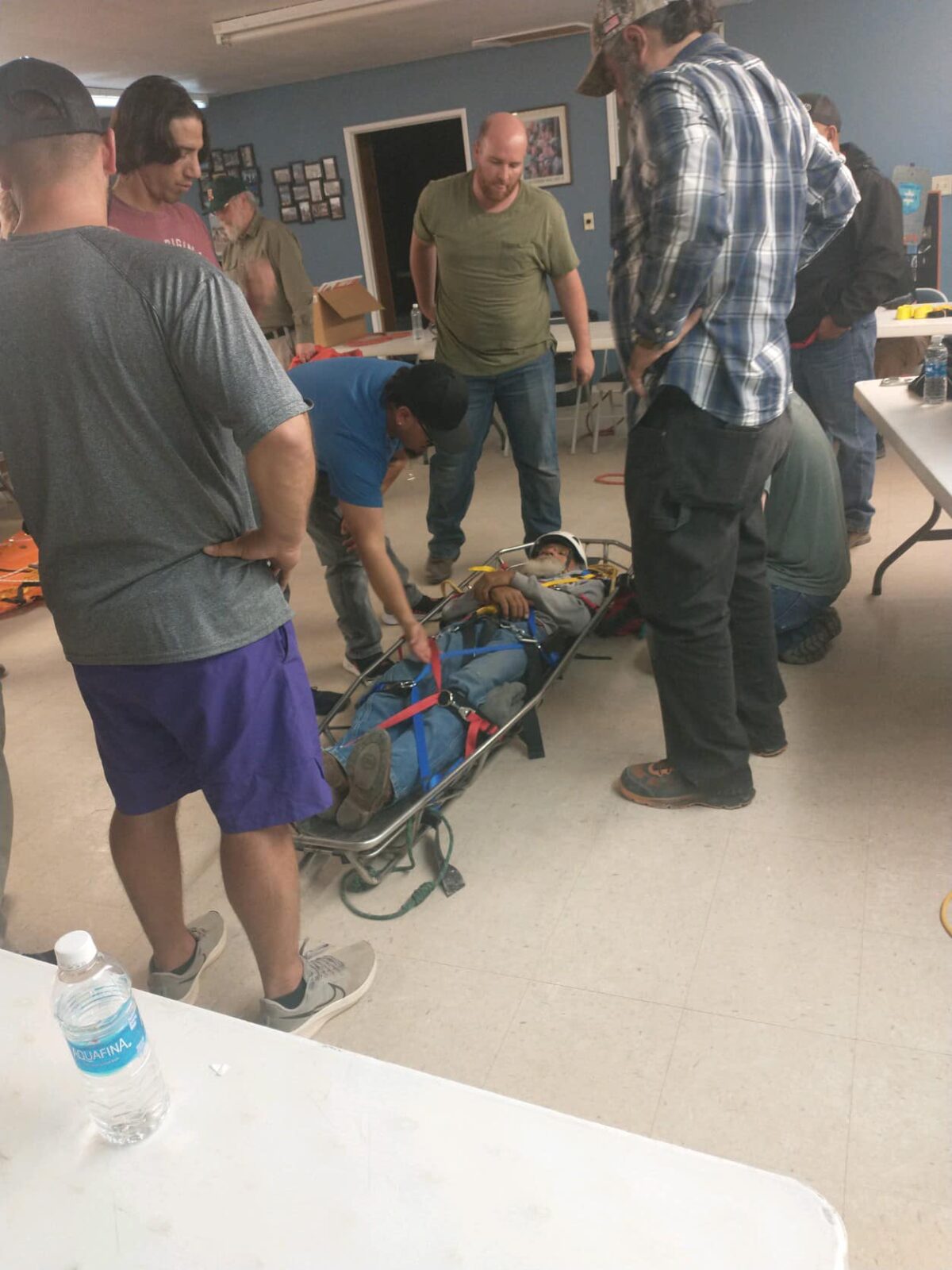
Practical hands-on training for wilderness search and rescue is active, realistic, and physically engaging. Instead of only learning from a classroom or textbook, participants practice the skills they would need while on an actual mission in remote terrain. The training usually takes place in a controlled environment allowing focused training to help build muscle memory.
Field Exercises and Simulations
Hands-on experience is the heart of SAR training. Simulated search missions, mock rescues, and overnight survival challenges immerse trainees in realistic conditions. These exercises cultivate adaptability and allow teams to rehearse strategies for lost hikers, injured climbers, missing children, and other emergencies.
Ongoing Education
The wilderness is dynamic, and SAR teams must continuously update their skills. Regular refresher courses, workshops, and scenario reviews keep rescuers prepared for emerging hazards and evolving technology.
Developing Leadership and Decision-Making
Effective leadership in the wilderness can mean the difference between success and tragedy. Training hones leadership skills, teaching individuals how to assess situations, prioritize tasks, and make critical decisions under pressure. Command simulations and scenario-based discussions teach would-be leaders to balance risk, resource allocation, and team welfare.
Promoting Safety and Risk Mitigation
Safety is paramount in SAR, both for rescuers and those they aid. Training instills a safety-first mindset, emphasizing hazard recognition, risk assessment, and safe operating procedures. Teams learn to recognize warning signs (changing weather, unstable terrain, equipment malfunctions) and adapt quickly to avoid accidents.
Knowledge Base/Scope of Practices
Tracking an individual’s skill and knowledge gives confidence to the individual, their peers, and leadership. When an individual knows what skills and knowledge are expected then they know where additional training is needed. Many disciplines use a precise well-defined list of needed skills and knowledge called a Knowledge Base as this map. Sometimes this is referred to as Scope of Practice. This map ensures that practitioners in the discipline have the necessary skills, training, and authority to perform their duties safely and efficiently. Read this Knowledge Base first. This will explain the purpose and method behind this document.
Teams and Roles
Teams and Roles: SAR skills are not only classified into functional areas but also into teams and the individual roles within a team.
Functional Areas
Here are links to the core functional area for Search and Rescue:
Basic and Shared Skills: Here are the basic skills needed to deploy on a mission and those that are common to most functions of SAR.
Search: Simply the knowledge and skills needed to participate in a search mission.
Rescue: The skills needed to perform rescues missions.
Command and Control: The skills needed to oversee all types of missions encountered.
Support: The skills needed to keep SAR personnel in the field.